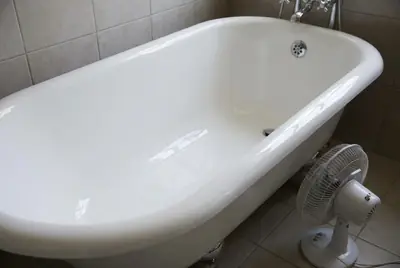
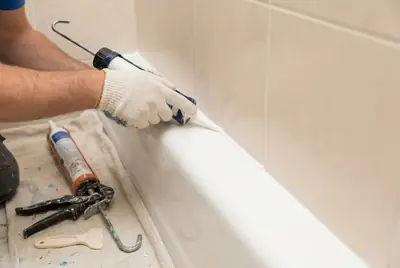
Ever look at your old bathing spot and just sigh? Maybe it's got chips, stains, or just a tired vibe that drags down your whole washroom. Guess what? You don't have to live with that sad sight or bust your budget on a full replacement.
Why Your Old Bathing Spot Deserves a Second Chance
You know, that feeling when you walk into your washroom and your eyes immediately land on the dingy tub? It's a real buzzkill, isn't it? Maybe it's got those stubborn rust spots that just won't scrub out, or scratches that look like a cat tried to escape a bath that one time, no matter how much you try to clean.
However, that worn-out look isn't just about appearances, because those rough spots can actually make cleaning a total nightmare. Grime just loves to hang out in all the little imperfections, making it feel like you're fighting an uphill battle every time you grab the sponge. Which means, instead of feeling refreshed after a quick tidy-up, you're usually just frustrated.
Tired Look, Big Problem
You might be thinking about ripping the whole thing out, right? That's what most folks jump to, especially when their bathing fixture looks like it's seen better centuries. But hold on a minute, because replacing a tub is a whole production, a real demolition derby in your own house.
Furthermore, imagine the dust, the noise, the fact that your washroom is out of commission for days, maybe even a week or more. So, not only are you staring at a huge bill for the new tub itself, but you're also paying for labor, plumbing work, tile repairs, and who knows what else pops up. It's a cascading disaster for your wallet and your schedule.
Saving Your Wallet and Your Sanity
Instead of all that headache, what if I told you there's a way to make that old tub look sparkling new again, often for just a fraction of the cost of replacement? This truly clever process gives your existing fixture a complete surface refresh without any of the messy tear-out. Which means you save a ton of money and avoid all that construction chaos.
Moreover, think about it: no need to buy a brand-new tub, no need to smash out tiles, and absolutely no need to deal with a big ol' dumpster sitting in your driveway. Your washroom stays mostly intact, and you get back to your routine super fast. Therefore, it's a smart move for anyone who hates unnecessary expenses and wants their washroom looking great without the drama.
What Exactly Is This Surface Renewal Magic
Many people hear about giving an old tub a fresh surface and immediately picture someone just slapping a coat of paint on it, like a DIY project gone wrong. But let me tell you, it's way, way more sophisticated than that. This isn't your grandma's paintbrush and a can of latex; this is a specialized, multi-step application that transforms your old bathing vessel into something truly impressive.
Actually, it involves some pretty cool chemistry and a whole lot of prep work to make sure that new surface sticks like glue and lasts for ages. This advanced technique uses materials specifically designed to stand up to water, heat, and all those cleaning products you toss in there. Which means you're getting a durable, beautiful finish, not just a temporary fix.
More Than Just a Paint Job
To begin with, the secret sauce here is the material itself, a super tough, high-tech acrylic urethane coating that bonds directly to your existing tub. This isn't just some thin layer; it creates a thick, resilient surface that can stand up to daily use. So, you get a finish that feels smooth and looks glossy, just like a brand-new fixture.
On top of that, the quality of the materials we use really makes all the difference, because cheap stuff just won't cut it for something that gets as much action as a tub. We're talking about professional-grade adhesion promoters and topcoats designed for longevity and a fantastic appearance. This ensures your newly surfaced tub remains a source of pride for years, not just months.
The Nitty-Gritty of the Process
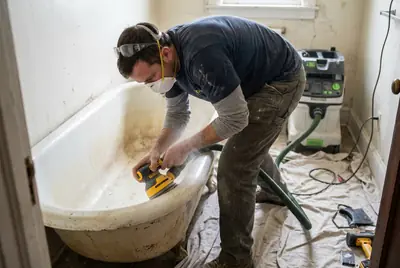
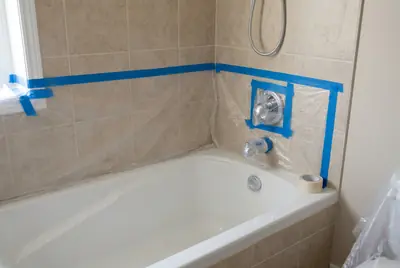
First off, the whole thing starts with serious surface preparation, which is probably the most important part, honestly. We clean that tub like it's never been cleaned before, removing all soap scum, oils, and anything else that might get in the way of a perfect bond. Consequently, this thorough cleaning ensures a flawless foundation for the new finish.
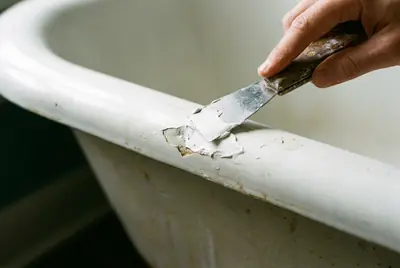
Then, after the tub is spotless and roughed up a tiny bit with a special etching solution, we fix any chips or cracks, making the surface totally smooth. This crucial step ensures that your final result is free from imperfections, giving you a truly pristine look. Next up, we apply a primer, which is like a super-glue for the new finish, making sure everything sticks forever.
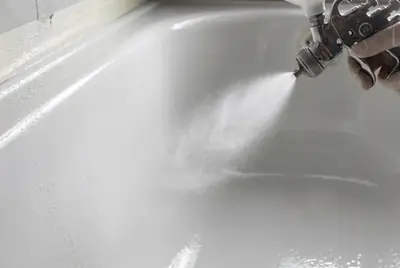
Afterward, the real magic happens when we spray on several layers of that special acrylic urethane, building up a strong, smooth surface. We use professional-grade spray equipment to get an even, factory-like finish, without any brush marks or drips. This method guarantees a sleek and consistent appearance, truly transforming your tub.
Finally, we add an extra layer for stain resistance and shine, then let it cure properly. This final step is vital for the surface to harden completely, ensuring its durability and long-lasting gleam. Of course, good ventilation is key throughout this whole process, keeping the air fresh and everyone safe.
When a Fresh Coat Beats a Whole New Fixture
Deciding between buying a new tub and giving your old one a fresh surface can feel like a big choice, but when you look at the bigger picture, the surface renewal option often wins out by a mile. It's not just about the money, though that's a huge factor, it's also about avoiding a massive headache.
Seriously, think about the disruption that comes with a full-on replacement; it's a monumental undertaking. You're talking about days, possibly weeks, of your washroom being a construction zone, a definite inconvenience for anyone living in the bustling Manhattan's historic harbor area or anywhere else for that matter. Consequently, the idea of a quick, clean solution becomes incredibly appealing.
No Demolition Drama
One of the biggest wins for giving your tub a new surface is skipping the demolition entirely. Picture this: no sledgehammers smashing tiles, no heavy old tub being dragged through your hallways, no mountains of debris to clean up. This means your home stays cleaner, quieter, and way less stressful during the whole process.
Additionally, without all that messy demolition, the time it takes to get your washroom back to normal is drastically cut down. Instead of a multi-day ordeal, you're usually looking at a process that takes just hours, with your tub ready for use again in a day or two. Therefore, you get your washroom back much faster, which is a definite plus for busy households.
Keeping Your Original Charm
Sometimes, your old tub just fits perfectly, right? Maybe it's a vintage cast iron beauty that they just don't make like anymore, or it's got a unique shape that really compliments your washroom's style. Replacing it means losing that character, that bit of history.
However, by giving it a surface transformation, you get to keep that original charm and sturdy construction, just with a dazzling new look. This is especially true for those beautiful, classic tubs that are built to last but just need a facelift. So, you preserve the unique features of your space while still getting that fresh, clean feel.
The Real Scoop on How Long It Lasts and How to Keep It That Way
Okay, so you're probably wondering, "How long does this amazing surface renewal actually last?" That's a super fair question, and the honest answer is: it depends a lot on how well it's applied and how you treat it afterward. But generally speaking, a professionally applied finish can look great for 5 to 10 years, sometimes even longer.
This durability really comes down to the quality of the prep work and the materials used, because cutting corners here means a finish that chips and peels way too soon. Think of it like a good foundation for a house; if it's not solid, nothing else matters. Therefore, choosing a meticulous pro for the job is really, really important.
Making Your Renewed Tub Go the Distance
Once your tub has its awesome new surface, treating it right is the key to making it last. It's not rocket science, but there are a few simple things you can do to keep that sparkle going strong. Neglecting these small steps can definitely shorten its lifespan, which nobody wants.
For instance, one major no-no is using abrasive cleaners or harsh chemicals, because those can literally eat away at the finish over time. Likewise, don't use those scrubby pads that feel like sandpaper; they're way too rough for the new surface. So, a little gentleness goes a long way in preserving its shine.
| Do This! |
Avoid This! |
| Use mild, non-abrasive cleaners. |
Harsh chemicals like bleach or gritty powders. |
| Clean with a soft cloth or sponge. |
Abrasive scrubbers or steel wool. |
| Fix leaky faucets right away. |
Letting standing water or drips sit. |
| Rinse thoroughly after each use. |
Leaving soap scum to build up. |
Daily Care Tips for Your Shiny New Surface
Maintaining your newly surfaced tub is surprisingly easy, almost like taking care of a new car's paint job. After each use, giving it a quick rinse with water and wiping it down can prevent a lot of build-up. This simple habit keeps it looking fresh and prevents those annoying water spots.
Every now and then, a gentle cleaning with a non-abrasive liquid cleaner, like dish soap or a specialized bath cleaner that says "safe for acrylic," will do the trick. Remember, anything too strong can dull the finish or even cause damage. Which means, always check the label before you spray anything on it.
Moreover, watch out for those bath mats with suction cups; sometimes they can stick too hard and potentially lift the finish if you yank them off. It's better to use non-slip mats that don't have suction cups or just remove them promptly after each use to prevent any issues. Little things like this truly make a big difference in the long run.
Things to Watch Out For Before You Dive In
While giving your tub a fresh surface is a fantastic solution for many, it's not a magic bullet for absolutely every single situation out there. Just like with any home improvement project, there are a few things you should know upfront to make sure it's the right choice for your particular bathing fixture. Nobody likes surprises after the fact, right?
Therefore, it's really important to set realistic expectations and understand what this process can and cannot do. This isn't about hiding major structural issues; it's about renewing the surface. Which means, a little honesty about the tub's condition before we start is always the best policy for a happy outcome.
Not Every Tub Is a Candidate
Most tubs, whether they're porcelain, fiberglass, or cast iron, are great candidates for a surface transformation. However, if your tub has really deep structural cracks, or if the underlying material is seriously compromised and practically falling apart, then a new surface might not be the answer.
For instance, if your fiberglass tub is super brittle and flexing badly every time you step in, adding a new finish won't fix that structural weakness. In those rare cases, replacement might actually be the safer and more durable option. We always do a thorough inspection to let you know if your tub is a good fit for this specialized finish application.
Choosing the Right Crew for the Job
Picking the right folks to do this work is probably the most crucial decision you'll make, honestly. There are plenty of folks out there who might offer a super cheap price, but if they're using low-grade materials or skipping important prep steps, that finish won't last. Consequently, you'll end up paying more to fix it later, which is a real bummer.
Always ask about their process, the materials they use, and if they offer any kind of warranty on their work. A reliable crew will be transparent and happy to answer all your questions. This way, you get peace of mind knowing you're investing in quality and a long-lasting beautiful result for your washroom center.
Another important aspect is ventilation; the materials used for surface renewal do have fumes during application, and a good contractor will ensure proper airflow to protect your home. They will set up specialized fans and filters to make sure the air quality is handled correctly. Therefore, asking about their safety protocols is always a smart move.
Ready to Give Your Washroom a Facelift
So, if you're tired of that dull, chipped, or stained old tub staring back at you, but the idea of a full tear-out gives you the shivers, then maybe it's time to explore the wonders of surface renewal. It truly is a game-changer for bringing new life to your washroom without all the usual hassle and expense.
Imagine stepping into your washroom and seeing a glistening, smooth tub that looks practically brand new, all without breaking the bank or enduring weeks of construction. This amazing transformation can truly revitalize your entire space, making it feel fresh and inviting once more. Which means, a small change can make a huge difference in your daily routine.
If you're in the greater New York City metro, including those unique spots like Ellis Island, New York, and you're wondering if your tub is a good candidate for this specialized finish application, why not find out for sure? There's absolutely nothing to lose by getting some information and seeing what's possible.
Therefore, if you're ready to ditch the dingy and embrace the dazzling, we're here to help. Just reach out to us, and we'll happily provide a FREE QUOTE for giving your old bathing fixture that incredible surface transformation. It's easy, no pressure, and you'll get all the facts straight up.
So, go ahead and take that first step towards a brighter, cleaner washroom. We love helping folks fall back in love with their homes, one beautifully renewed tub at a time. This is your chance to upgrade without the upheaval, so let's make that old tub shine!
Glossary of Terms
Adhesion Promoters: These are special chemicals that help the new coating stick super strong to the old surface of your tub. Think of them as a really good sticky handshake between the two materials.
Topcoats: These are the final layers of the new finish that get sprayed on. They're what you see and touch, providing the shine, color, and protection for your tub.
Surface Preparation: This is the super important first step where the tub is thoroughly cleaned, repaired, and made ready for the new finish. It's like clearing the stage before the big show.
Etching: This involves using a mild solution to slightly roughen up the tub's surface, creating tiny pores that help the new coating grip on better. It's a bit like giving the surface a gentle scrub with super fine sandpaper, but with chemicals instead.
Primer: A base coat applied after cleaning and etching that helps the topcoats stick even better and provides an even color foundation. It acts as a super strong bond between the old tub and the new finish.
Acrylic Urethane: This is the specific type of durable, high-tech material used for the new surface. It's tough, glossy, and resistant to stains and chips, making your tub look brand new.
Stain Resistance: This means the new finish is built to repel common stains like hair dye, rust, or food coloring, making it much easier to keep clean and looking fresh.
Cure: This is the time it takes for the new finish to fully harden and become completely durable after it's applied. It's like waiting for paint to dry, but way more critical for long-lasting results.
Ventilation: Making sure there's plenty of fresh air circulating during and after the application of the new finish. This helps remove any fumes and speeds up the curing process safely.
Cast Iron: A very heavy and durable type of metal often used for older, classic bathtubs. These tubs are known for holding heat well and lasting a very long time.
Porcelain: A hard, glassy coating often applied over cast iron or steel tubs, giving them a smooth, shiny, and non-porous surface. It's what gives many traditional tubs their classic look.
Fiberglass: A lighter, more modern material often used for bathtubs and shower surrounds. It's made from glass fibers reinforced with plastic resins, which can sometimes become brittle over time.
Prep Work: A more casual term for surface preparation, referring to all the steps taken to get the tub ready for its new finish. It's all about setting the stage for success.
Safety Protocols: The set of rules and procedures that are followed to ensure everyone's safety during the work, especially when dealing with chemicals and fumes. It's all about doing the job right and without any unnecessary risks.
A Little About the Location
Our service area includes the unique and historic Ellis Island, New York, a spot that holds so much history right in the heart of Manhattan's harbor area. While it's not a place with a huge residential population, the need for top-notch property maintenance, including surface renewal services, definitely extends to its facilities and surrounding urban areas.